Circular Economy

CIRCULAR

Relinquishing the linear economic model of take-make-dispose and transitioning toward a circular economy are crucial for corporate sustainability. ASUS included the impact in product life cycle into product design and increased the use of environmentally friendly materials. We developed green products to increase our green competitiveness. We also continued to expand the extended liabilities of the producer to provide take back services across the globe and increase resource usage efficiency. ASUS also leveraged digital tools to accelerate the development of the circular economy and ensure the safety of the R&D environment.

SDG 3 Good Health and Well-Being
SDG 8 Decent Work and Economic Growth
SDG 12 Responsible Consumption and Production

2030 Sustainability Goals

30 %

Target 30% of product weight from sustainable materials by 2030.

100 %

Make 100% of product packaging plastic-free or made from recycled and recyclable sustainable materials by 2030.

80 %

Committed to achieving 80% product circularity by 2030.

130000 tonnes

Target a cumulative recycling of 130,000 metric tons of global post-consumer waste by 2030 (2020 base year).

Key Action

Eco-friendly Material Usage

We are increasing our use of environmentally friendly materials, thereby reducing carbon emissions throughout our products' lifecycles. We are also expanding the use of PCR, recycled pulp, sourced from FSC™-certified forests, and more active management on the use of chemicals in the production process, to improve the recycling of products and substances, and to reduce environmental impact.

Product Energy Efficiency

We continuously invest R&D resources in green design, and improve the energy efficiency of hardware and software to enhance the energy efficiency of our products so users can prolong its use while saving energy. We strive to surpass the ENERGY STAR® standard at least 30% every year.

Product Life Extension

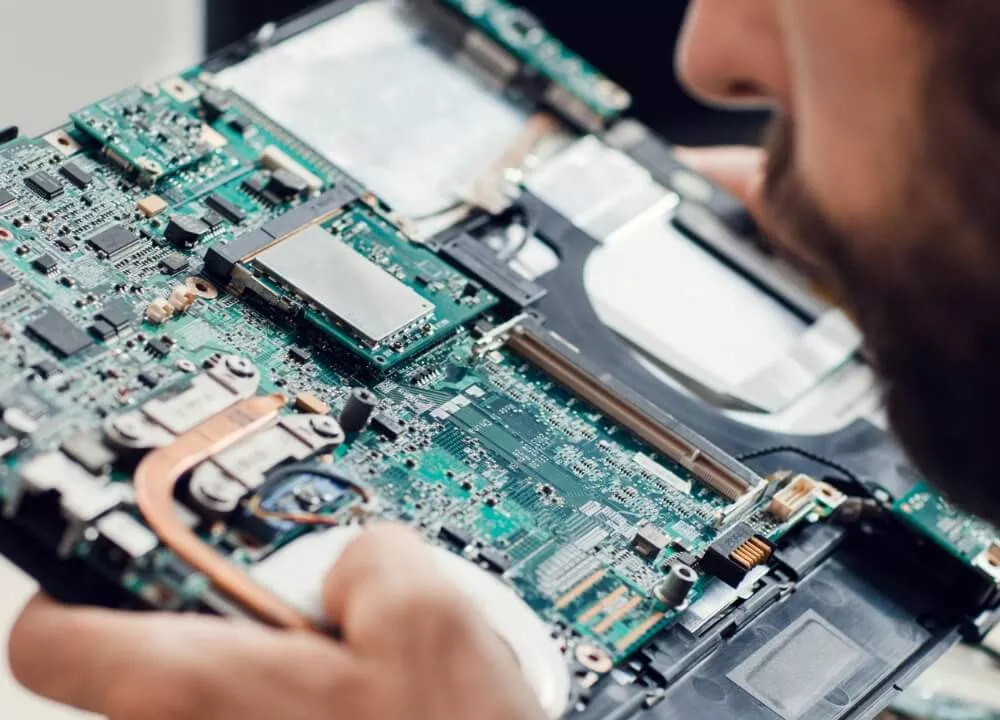
We improve resource efficiency by designing products with recycling and reuse in mind. Easy disassembly and product-as-a-service models enable component upgrades, allowing consumers to adapt to changing performance needs.

Resource Regeneration

We provide recycling services in 30 countries to ensure that electronic waste products are properly processed to recover resources, preventing improper disposal and illegal handling.

Eco-label

We invest in green product innovation by using safer chemicals, circular and recycled eco-friendly materials, minimizing packaging, maximizing energy efficiency, and designing for easy disassembly and recycling. As a result, we have secured leading green certifications worldwide, such as EPEAT, TCO Certified, and the Taiwan Green Mark.

Key Impacts
Key Impacts

Always keep promises

50.2 %

Eco-label products accounted for 50.2% of revenue.

91.3 %

Halogen-free components accounted for 91.3% of components in products.

16 %

Global recovery rate for our end-of-life products has reached 16%.

986 %

In 2025, the use of post-consumer recycled plastic increased by 986% compared with the 2020 baseline.

87 %

In 2025, the use of environmentally friendly paper materials increased by 87% compared with the 2020 baseline.

EPEAT Climate+

Became one of the first brands certified under the updated international eco label EPEAT, expanding green competitiveness.

Related Units

Circular Economy Model

Circular Economy Model

Learn more
Green Material Usage

Green Material Usage

Learn more
Green Products

Green Products

Learn more
Product Energy Efficiency

Product Energy Efficiency

Learn more
Product Life Extension

Product Life Extension

Learn more
Resource Regeneration

Resource Regeneration

Learn more